Healing After Pet Loss Coping With Grief and Cherishing Their Memory
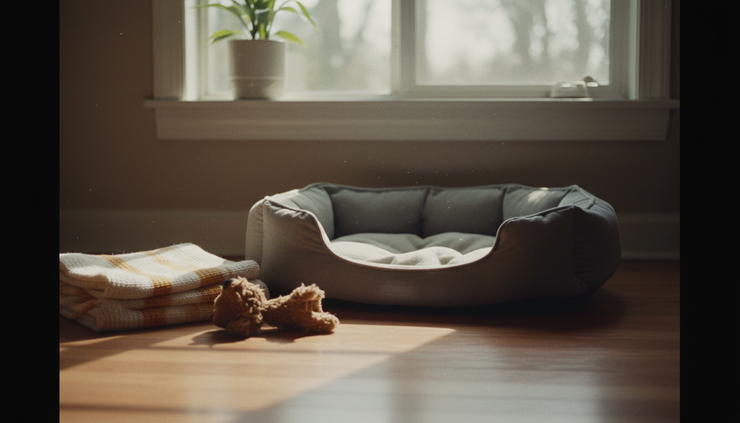
The quiet after a pet dies can feel impossibly loud. The food bowl is still there. The leash hangs by the door. The sunny patch on the floor is empty at the time of day when it used to be claimed by a warm body and a sigh.
Pet loss is not “just” the loss of an animal. For many people, it is the loss of a daily companion, a routine, a source of comfort, and a relationship built through thousands of small moments. A pet may have been there through moves, breakups, illness, childhood, retirement, lonely evenings, or ordinary mornings that felt better because they were shared.
Grief after losing a pet can be tender, confusing, and sometimes lonely. It deserves care. It deserves language. Most of all, it deserves patience.
The bond with a pet is built in daily life
The love between a person and a pet often grows in quiet, repeated moments. It may not always look dramatic from the outside, but it becomes part of the rhythm of a home.
A dog waiting at the door. A cat curling into the crook of your knees. A rabbit nudging your hand for a treat. A bird calling out when you enter the room. These patterns become familiar and comforting. Over time, they create a private language.
Pets also offer a kind of presence that can be hard to find elsewhere. They do not need us to explain a bad day. They do not ask us to be polished, productive, or cheerful. They simply show up in the ways they know how.
That steady companionship can be especially meaningful during hard seasons. A pet may become a soft place to land after grief, stress, anxiety, or major change. Caring for them can also give shape to the day. Feeding, walking, cleaning, grooming, playing, giving medication, or settling in at night can become acts of love.
So when a pet dies, the loss reaches far beyond one moment. It touches the routines that held the relationship.
You may find yourself listening for footsteps that are not coming. You may wake up at the usual feeding time. You may pause before leaving the house because some part of you still expects to say goodbye.
These reminders can hurt. They also show how deeply your pet was woven into your life.
Pet grief can feel different from other kinds of grief
Grief is grief, but pet grief has its own shape.
Some people feel intense sadness right away. Others feel numb. Some feel guilt, anger, relief, or a strange mix of all of these. If your pet had been sick, you may grieve while also feeling exhausted from weeks or months of caregiving. If the death was sudden, shock may make everything feel unreal.
There is no single correct response.
You might notice:
A heavy feeling in your chest or stomach
Trouble sleeping or sleeping more than usual
Loss of appetite or eating for comfort
Sudden tears during normal tasks
Irritability or lack of focus
Avoiding places connected to your pet
Feeling guilty about choices made near the end
Feeling alone because others do not understand
One of the hardest parts of pet loss is that the outside world may not pause. Work continues. Groceries need to be bought. People may offer a quick “sorry” and move on, while your whole home feels changed.
Some comments can sting, even when people mean well.
“You can get another one.”
“At least they lived a long life.”
“It was only a pet.”
These words can make grief feel smaller than it is. But love is not measured by how others rank your loss. If your pet mattered deeply to you, your grief is real.

How loss can change the shape of a day
After a pet dies, ordinary tasks can become emotional. The routines that once felt automatic may suddenly feel strange.
Morning may be the hardest if your pet used to wake you, stretch beside you, or wait for breakfast. Coming home can hurt if the greeting is gone. Even silence can feel different. It may feel too still, too clean, or too empty.
Daily life may be affected in ways that surprise you.
Home can feel unfamiliar
A pet changes the feeling of a space. Their bed, toys, scratching post, cage, tank, food dish, or favourite chair may hold memories. Some people need to put these things away quickly. Others need to leave them untouched for a while.
Neither choice is better. Do what feels kind to your heart.
If you are not ready to decide what to keep, place items in a box and set it somewhere safe. You do not have to sort everything while the grief is fresh.
Routines may need rebuilding
Pets often structure the day. A morning walk, an evening feeding, a bedtime habit, or a play session may have been part of your schedule for years.
When that rhythm disappears, the empty space can feel unbearable. Rebuilding a routine can help, but it does not need to happen all at once.
You might replace one small habit with another gentle action:
Take a short walk at the usual time, even if you go alone
Make tea when you would normally prepare their meal
Light a candle for a few minutes in the evening
Sit in their favourite spot and write one memory
Step outside for fresh air when grief feels tight in your body
These acts do not erase the loss. They give your grief somewhere to go.
Other pets may react too
If you have other animals at home, they may seem confused or quieter than usual. They may search familiar places, become clingy, lose interest in food, or act unsettled. Animals vary widely in how they respond, but they can notice change.
Keep their routines as steady as possible. Offer comfort without forcing behaviour. If an animal stops eating, seems unwell, or shows concerning changes, contact a veterinarian.
Caring for another pet while grieving can be both painful and healing. Their needs can pull you gently through the day, even when your heart feels heavy.
Let yourself feel what comes
Many people try to manage grief by staying busy, apologizing for tears, or telling themselves they “should” be coping better. But grief does not usually leave when ignored. It waits.
Allowing emotion does not mean falling apart forever. It means giving yourself permission to be honest.
You may need to cry in the car. You may need to talk out loud to your pet. You may need to hold their blanket. You may need to laugh at a ridiculous memory and then cry a minute later.
All of that can belong.
Try saying to yourself:
“This hurts because I loved them.”
“I do not need to rush this.”
“I can miss them and still take care of myself.”
“My grief does not need to make sense to anyone else.”
Guilt is also common, especially if euthanasia was part of your pet’s final days. People often replay decisions, wondering if they waited too long, acted too soon, missed a sign, or failed in some way.
If this is happening, be gentle with yourself. End-of-life decisions are often made under pressure, fear, and deep love. Most people make the best choice they can with the information they have at the time. If you worked with a veterinarian, asked questions, and chose with your pet’s comfort in mind, that matters.
If guilt becomes overwhelming, talking with a counsellor, veterinarian, or pet loss support group can help you sort love from blame.

Create a memorial that feels true to your pet
A memorial gives love a form. It can be simple or elaborate, private or shared. The point is not to perform grief in the “right” way. The point is to honour the relationship.
Choose something that reflects your pet’s personality and your bond.
Make a memory box
A memory box can hold small items that matter:
A collar, tag, or harness
A favourite toy
A paw print or photo
A blanket or bandana
A card from the veterinary clinic
A written memory from each family member
You can open it when you want to feel close to them, or keep it tucked away until you are ready.
Write a letter
Writing can help when there are things left unsaid. You might thank your pet for what they brought into your life. You might tell them what you miss. You might write about their quirks, their habits, or the way they looked at you.
The letter does not need to be polished. It only needs to be honest.
Create a photo ritual
Photos can be painful at first, but they can also become a source of comfort. You might print one favourite image, create a small album, or place a framed photo somewhere peaceful.
If scrolling through your phone feels too raw, wait. There is no deadline.
Plant something living
Some people plant a tree, shrub, or flowers in memory of their pet. In Canada, choose something suited to your local climate and space, whether that is a backyard garden, balcony planter, or indoor plant.
A living memorial can offer a quiet place to pause. It can also remind you that love changes shape, but it does not vanish.
Mark a special date
Birthdays, adoption anniversaries, and the date of death can bring grief back sharply. Planning a small ritual can help.
You might light a candle, donate supplies to a shelter, take their favourite walking route, cook a comforting meal, or share a story with someone who loved them too.
Seek support from people who understand
Pet loss can feel isolating when others do not fully grasp the bond. Support helps because grief needs witnesses. It needs someone to say, “Of course you miss them. They were part of your family.”
Start with people who are likely to respond with care. This may be a friend, family member, neighbour, veterinarian, groomer, trainer, or someone who knew your pet well.
Be clear about what you need. Many people want to help but do not know how.
You might say:
“I do not need advice. I just need someone to listen.”
“Can I tell you one of my favourite memories of them?”
“I am having a hard day. Could we go for a walk?”
“Please do not tell me to get another pet. I am not ready for that.”
Pet loss groups can also be a real comfort. These may be in-person groups, online communities, or grief support services connected to animal hospitals, shelters, or counselling centres. Being around people who understand the depth of this loss can ease the feeling that you are grieving alone.
If grief makes daily life feel impossible for a long time, or if you feel unable to function, professional support can help. A counsellor or therapist can offer a safe space to process loss, guilt, trauma, or loneliness. Reaching for help is not an overreaction. It is care.
If you ever feel at risk of harming yourself, seek urgent support right away through local emergency services or a crisis line in your area.
Care for your body while your heart is grieving
Grief lives in the body too. You may feel tired, foggy, sore, restless, or unusually sensitive. Basic care may feel harder than usual, but small steps can help keep you steady.
Try to focus on gentle basics:
Drink water throughout the day
Eat something simple, even if your appetite is low
Rest when you can
Step outside for daylight
Move your body in a kind way
Limit major decisions while grief is fresh
Keep one or two comforting routines
Do not pressure yourself to “move on.” Healing is not a race. Some days will feel softer. Other days a sound, smell, season, or memory may bring the loss back with force.
That does not mean you are going backward. It means grief moves in waves.
You can also lower demands where possible. Let the house be imperfect. Answer fewer messages. Ask for help with errands. Take a day off if you can. Grief after losing a pet can be deeply draining, and rest is part of coping.

When the question of another pet comes up
At some point, someone may ask if you will get another pet. You may ask yourself the same thing.
There is no universal right time. Some people welcome another animal soon because the house feels too empty and they have love to give. Others need months or years. Some never choose another pet, and their love remains complete as it was.
A new pet does not replace the one who died. Each relationship is different. If you do bring another animal into your life, it can help to approach that bond on its own terms.
Before deciding, ask yourself:
Am I looking for comfort, or am I ready for a new relationship?
Can I meet this animal’s needs right now?
Am I able to let them be themselves, not a copy of the pet I lost?
Would fostering feel better than adopting right away?
There is no shame in waiting. There is also no shame in opening your home again. Love is not a limited resource.
Sharing memories can build a quiet community
One of the most healing things after pet loss is hearing stories. Not only the perfect ones, but the real ones.
The cat who knocked over every glass of water. The dog who stole socks and looked proud. The guinea pig who squeaked at the fridge. The senior pet who snored like a tiny engine. The animal who seemed to know when you were sad and came closer.
Sharing these memories keeps the relationship alive in a new way. It also gives others permission to speak about their own losses.
You might invite memories by saying, “I’d love to hear your favourite story about them.” You might post a photo with a few honest words. You might gather family members and each share one thing you never want to forget.
If you feel comfortable, share your experience with someone else who is grieving. Your story may become the words they needed but could not find.
Grief softens when it is carried together.
Your love still counts
The death of a pet changes daily life, but it does not erase the bond. The care you gave, the routines you shared, and the memories you hold still matter.
Some days, healing may look like crying without apology. Some days, it may look like putting away the food bowl. Some days, it may look like smiling at a photo for the first time without feeling only pain.
Go slowly. Let grief be what it is. Honour your pet in ways that feel true. Reach for people who understand. Tell the stories. Say their name.
Their life was part of yours, and the love you shared is still worth cherishing.



Comments