PTSD in Paramedics: Understanding the Hidden Toll of Emergency Response
Updated: Aug 28
A paramedic can finish a shift with blood on their boots, a child’s cry still in their head, and another call already coming through the radio. The work demands speed, skill, and calm under pressure. It also asks people to return, again and again, to moments most of us hope never to witness.
Post-traumatic stress disorder, or PTSD, is one of the hidden costs of emergency response. Not every paramedic develops it, and distress after trauma does not always mean someone has PTSD. Still, the risk is real. Paramedics face repeated exposure to injury, death, violence, grief, and moral pressure, often with little time to recover before the next emergency.
This article is informational only and is not a substitute for medical care. Anyone experiencing symptoms of PTSD, depression, substance use concerns, or thoughts of self-harm should contact a qualified health professional or emergency support service.

Why paramedics face a different kind of trauma
Many jobs are stressful. Paramedicine is different because the stress is acute, repeated, and often unpredictable.
A paramedic may respond to a cardiac arrest in the morning, a serious collision before lunch, a domestic violence call in the afternoon, and an overdose late at night. Each scene can involve danger, grief, time pressure, and uncertainty. The body learns to stay on alert.
That constant readiness can be useful during a call. It helps a crew move fast, focus, and make decisions. The problem starts when the nervous system never fully comes down.
Paramedics also work inside other people’s worst moments. They enter homes, roadsides, shelters, workplaces, schools, and public spaces at the exact point where ordinary life has broken apart. They may be the first person to touch a patient who is terrified, dying, trapped, unconscious, or alone.
Some of the hardest parts are not dramatic in the way people imagine. They can include:
Waiting with a patient when there is nothing more to do
Supporting family members after resuscitation efforts end
Treating someone who reminds them of their own child, parent, or partner
Returning to service immediately after a difficult call
Facing violence or threats while trying to provide care
Making rapid decisions with incomplete information
Feeling responsible, even when the outcome was beyond anyone’s control
The trauma is not only about what paramedics see. It is also about what they carry after they leave the scene.
What PTSD can look like in paramedics
PTSD can develop after exposure to actual or threatened death, serious injury, or sexual violence. For paramedics, that exposure can be direct, repeated, and part of the job description.
Symptoms can vary, but they often fall into a few broad patterns.
Intrusive memories
A paramedic may replay a call in vivid detail. A sound, smell, location, or phrase can pull the memory back without warning. Some people have nightmares. Others feel as if the scene is happening again.
Avoidance
Avoidance can look like steering clear of certain streets, calls, conversations, or reminders. It can also look like refusing to talk about a case, skipping debriefs, or pushing away family members who ask how work went.
Changes in mood and thinking
PTSD can create guilt, shame, anger, numbness, or a sense of distance from others. A paramedic may start to believe the world is unsafe or that they failed, even when they did everything possible.
Hyperarousal
The body may stay locked in emergency mode. Sleep becomes shallow. Irritability rises. Startle responses become stronger. Concentration suffers. Some paramedics describe feeling like they are always scanning for the next threat.
These symptoms can affect every part of life. Relationships may strain under silence or anger. Sleep loss can make shifts harder. Some people turn to alcohol or other substances to quiet their mind. Others withdraw because they do not want to burden anyone.
None of these responses mean a paramedic is weak. They are signs that the brain and body have been exposed to more than they can safely process alone.

What the numbers tell us about PTSD in first responders
PTSD rates vary by study, country, occupation, and the way symptoms are measured. Screening positive on a questionnaire is not the same as receiving a clinical diagnosis, but the data still show a clear pattern: first responders face higher risk than the general population.
Research commonly places PTSD prevalence among first responders in the range of about 10 to 35 percent, depending on the group studied and the screening method used.
For context, lifetime PTSD prevalence in the general population is often estimated in the single digits. Some Canadian public safety research has found that a significant share of public safety personnel screen positive for symptoms consistent with one or more mental health conditions. Paramedics often appear among the groups with elevated rates of PTSD symptoms because their exposure is frequent, close, and hands-on.
The numbers also do not capture the full picture. A paramedic may not meet every diagnostic criterion for PTSD and still be struggling with trauma, anxiety, depression, moral injury, burnout, or compassion fatigue.
Moral injury deserves special attention. It can happen when someone feels they violated their values, could not prevent harm, or was forced by circumstances to act in a way that feels unbearable. For paramedics, this may involve resource shortages, delayed response times, overcrowded emergency departments, or situations where the “right” care was not available fast enough.
PTSD in Paramedics is not just a clinical issue. It is a workforce issue, a family issue, and a public health issue.
The personal toll behind the uniform
Because privacy matters, the following stories are anonymized composites based on common experiences shared by paramedics in public discussions, peer support settings, and mental health education. They are not direct quotes from identifiable people.
“I could still hear the mother screaming”
A paramedic with more than a decade of experience described a call involving a young child. The crew performed every intervention they could. The child did not survive.
At first, the paramedic went back to work. That felt normal. They joked with colleagues, finished paperwork, and told their family the shift was “fine.”
A few weeks later, sleep changed. Then came the sound. Not sirens, not the monitor, but the mother’s scream. It appeared while driving, while grocery shopping, while sitting at the dinner table. The paramedic began avoiding paediatric calls when possible and felt ashamed for doing so.
The turning point came when they snapped at their own child over something small and then broke down in the bathroom. Peer support helped them speak the memory aloud for the first time. Therapy helped them understand that the return of the sound was a trauma response, not a personal failure.
“I was proud that nothing bothered me”
Another paramedic described years of being known as the calm one. They took hard calls, mentored newer staff, and rarely showed emotion. They saw that as professionalism.
The problem was not one call. It was the accumulation. A fatal collision. A violent assault. An overdose involving someone they had treated before. A long stretch of missed meals and overtime. Then a call that seemed ordinary on paper left them shaking after the shift.
They began drinking more after work, at first to sleep, then to stop thinking. Their partner noticed they were distant and angry. They insisted they were fine until a colleague said, quietly, “You don’t have to prove you can carry all of this.”
That sentence mattered. It opened the door to an employee assistance program, medical leave, trauma therapy, and a slower return to work.
These stories show a pattern many paramedics recognize. The breaking point is not always the “worst” call. Often, it is the call that arrives after years of carrying too much.

Barriers that keep paramedics from asking for help
Mental health awareness has grown in emergency services, but barriers remain. Some are personal. Many are cultural or structural.
Stigma
Paramedics often work in cultures that value toughness and control. That can save lives during a call, but it can make vulnerability feel risky. People may fear being judged, removed from duty, or seen as unreliable.
Lack of time to recover
Emergency work moves quickly. A crew can clear from a traumatic call and be sent to another before the emotional impact lands. The system may treat exposure as routine, even when the human nervous system does not.
Shift work and fatigue
Night shifts, overtime, missed meals, and irregular sleep all affect mental health. Poor sleep can worsen PTSD symptoms, and PTSD can further damage sleep. It becomes a hard cycle to break.
Fear of career consequences
Some paramedics worry that seeking help could affect licensing, scheduling, promotions, or how supervisors view them. Confidential pathways to care are essential.
Normalization of suffering
When trauma is common, distress can start to feel like part of the job. A paramedic might compare themselves to colleagues and think, “Others have seen worse. I should be able to handle this.”
That belief keeps many people silent.
Coping strategies that can support recovery
Coping strategies are not a cure for PTSD, and they do not replace professional treatment. They can still help paramedics manage stress, reduce isolation, and notice when they need more support.
Build a plan before the hard call happens
A mental health plan works best when it exists before a crisis. It might include:
A trusted peer to contact after difficult calls
A therapist or physician familiar with trauma and emergency work
A sleep routine for post-shift recovery
Clear limits around overtime when symptoms rise
A list of warning signs that mean support is needed
Warning signs may include nightmares, emotional numbness, panic, increased substance use, anger, reckless driving, isolation, or thoughts of self-harm.
Use peer support without making it the only support
Peer support can be powerful because paramedics often trust people who understand the job. A peer may notice changes early and can make it easier to seek care.
Still, peer support should not carry everything. PTSD often needs trained clinical help. Good peer programs know when to listen, when to check safety, and when to connect someone with professional care.
Choose trauma-informed therapy
Evidence-based treatments for PTSD can include trauma-focused cognitive behavioural therapy, eye movement desensitization and reprocessing, prolonged exposure, and other approaches delivered by trained clinicians. Medication may also help some people, especially when symptoms include depression, anxiety, or sleep disruption.
The right treatment depends on the person, their symptoms, and their history. A family doctor, psychologist, psychiatrist, or occupational health provider can help guide the next step.
Protect sleep as a clinical priority
Sleep is not a luxury in emergency services. It is a safety issue.
Paramedics may not control their schedules fully, but small protections can help:
Keep the sleep space dark, cool, and quiet
Avoid alcohol as a sleep aid
Reduce caffeine late in a shift when possible
Use a wind-down routine after high-adrenaline calls
Seek help for recurring nightmares or insomnia
When sleep falls apart for weeks, it is time to involve a health professional.
Include family without making them the therapist
Family members often see the impact first. They notice irritability, withdrawal, restless nights, and the growing distance after painful calls.
Open, simple language can help. A paramedic does not need to share graphic details. They can say, “That call is still sitting with me,” or “I need quiet tonight, but I do not want to be alone.”
Families also need support. Loving a first responder can be difficult, especially when trauma enters the home through mood, silence, or fear.

Resources and support options in Canada
Support varies by province, employer, union, and local service. In Canada, paramedics may be able to access several types of help.
Employee and family assistance programs
Many services offer confidential counselling through an employee and family assistance program. These programs can be a starting point, especially after a difficult call or during early symptoms.
Peer support and critical incident support
Some paramedic services have trained peer teams or critical incident stress support. The quality and structure of these programs can vary, but they can reduce isolation and connect members to care.
Primary care and mental health clinicians
A family doctor or nurse practitioner can help assess symptoms, discuss treatment, write referrals, and support medical leave if needed. Trauma-informed psychologists, psychotherapists, social workers, and psychiatrists can provide more specialized care.
Workers’ compensation and occupational stress injury supports
Several Canadian provinces recognize occupational stress injuries, including PTSD, in first responders. The rules differ by province, so paramedics should check with their employer, union, professional association, or workers’ compensation board.
Crisis lines
Anyone in Canada who is thinking about suicide or worried about someone else can call or text 988 for immediate support. If there is imminent danger, call 911 or go to the nearest emergency department.
What emergency services can do better
Individual coping matters, but systems carry responsibility too. Paramedics should not have to solve occupational trauma on their own time with private tools and quiet suffering.
Emergency services can support mental health by making care normal, confidential, and easy to access. That includes:
Training leaders to recognize trauma symptoms without shame
Offering protected time after critical incidents when possible
Building peer support programs with clinical backup
Reducing barriers to evidence-based therapy
Watching fatigue, overtime, and chronic understaffing
Supporting safe return-to-work plans after mental health leave
Including families in education and resource planning
Treating psychological safety as part of operational safety
Culture changes when senior staff, supervisors, educators, and new recruits hear the same message: mental health is part of readiness. A crew cannot provide safe care if the people in it are expected to absorb unlimited trauma without support.
The strongest paramedic services are not the ones where no one struggles. They are the ones where struggling does not have to become a secret.
PTSD does not erase a paramedic’s skill, courage, or value. It signals that the cost of caring has become too high to carry alone. With early support, good treatment, peer connection, and healthier workplace cultures, recovery is possible.
The next step is simple, but not always easy: talk to someone before the weight becomes unbearable. A trusted colleague, doctor, therapist, peer supporter, union representative, family member, or crisis line can be the first point of contact. Emergency response depends on people who show up for others. Those people deserve care that shows up for them.
My Book
In addition to my work with clients, I've written a book on PTSD — one person's honest account of living with it, understanding it, and finding a way through. It draws on both my lived experience and my years on the frontline as a paramedic. Faith-informed, but written for anyone carrying the weight of trauma.
Available on Amazon.
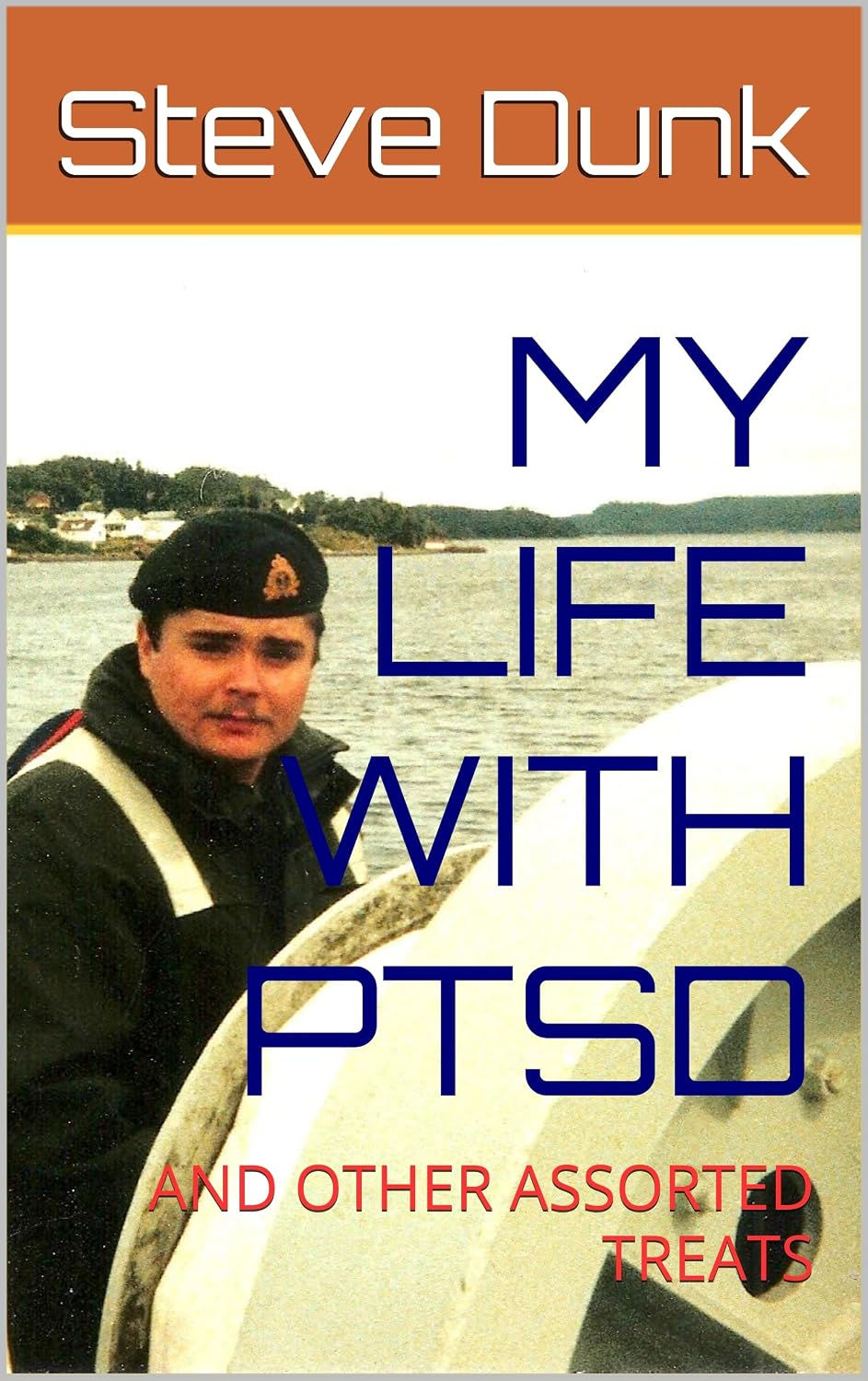
https://amzn.to/4xppOZL (amazon affiliate)



Comments